Do & Don'ts For The Beginner Runner


Starting Your Running Journey: The Dos, Don'ts, and What I Wish Every Beginner Knew
Running can feel intimidating when you're first starting. It's easy to look at experienced runners and think they were born loving long miles and early mornings. The truth is, every runner started exactly where you are, taking that first uncomfortable step.
The goal isn't to become fast overnight. The goal is to become consistent…right!
DO: Start Slower Than You Think
One of the biggest mistakes beginners make is trying to run too fast. Your pace should be conversational. If you can't carry on a conversation, slow down or take a walking break. Building endurance happens by spending time on your feet, not by sprinting every workout.
DON'T: Compare Yourself to Other Runners
Your chapter one will never look like someone else's chapter twenty. Social media often shows finish lines, not the weeks of hard work that got you there. Focus on becoming a better version of yourself.
DO: Invest in Proper Running Shoes
Your shoes matter more than fancy workout clothes or expensive gadgets. Visit a specialty running store if possible and get fitted for shoes that match your gait. Your feet, knees, and hips will thank you. Talk to me and I can help you.
DON'T: Run Every Day
Your body gets stronger during recovery, not during the workout itself. Aim for 2–4 runs each week and use the other days for walking, strength training, mobility work, or complete rest.
DO: Warm Up
Spend 5–10 minutes walking, doing leg swings, bodyweight squats, or dynamic stretches before your run. A proper warm-up prepares your muscles and helps reduce injury risk.
DON'T: Ignore Pain
It's normal to feel sore. It's not normal to run through sharp or worsening pain. Listen to your body. Taking a few days off now is much better than taking months off because of an injury.
DO: Follow a Plan
Don't just run random distances every day. Following a structured beginner program gradually increases your mileage and gives your body time to adapt safely.
DON'T: Skip Strength Training
Strong runners are resilient runners. Two strength sessions each week focusing on your glutes, core, hamstrings, calves, and hips can improve your running efficiency and reduce injuries.
DO: Stay Hydrated and Fuel Your Body
Running requires energy. Drink enough water throughout the day and don't be afraid of carbohydrates, they're your body's preferred fuel for running. Eating a balanced diet will help you recover and perform better.
DON'T: Expect Every Run to Feel Amazing
Some runs will feel effortless. Others will feel like a struggle for no obvious reason. That's completely normal. Progress isn't measured by one workout, it's measured by showing up consistently.
Remember Your "Why"
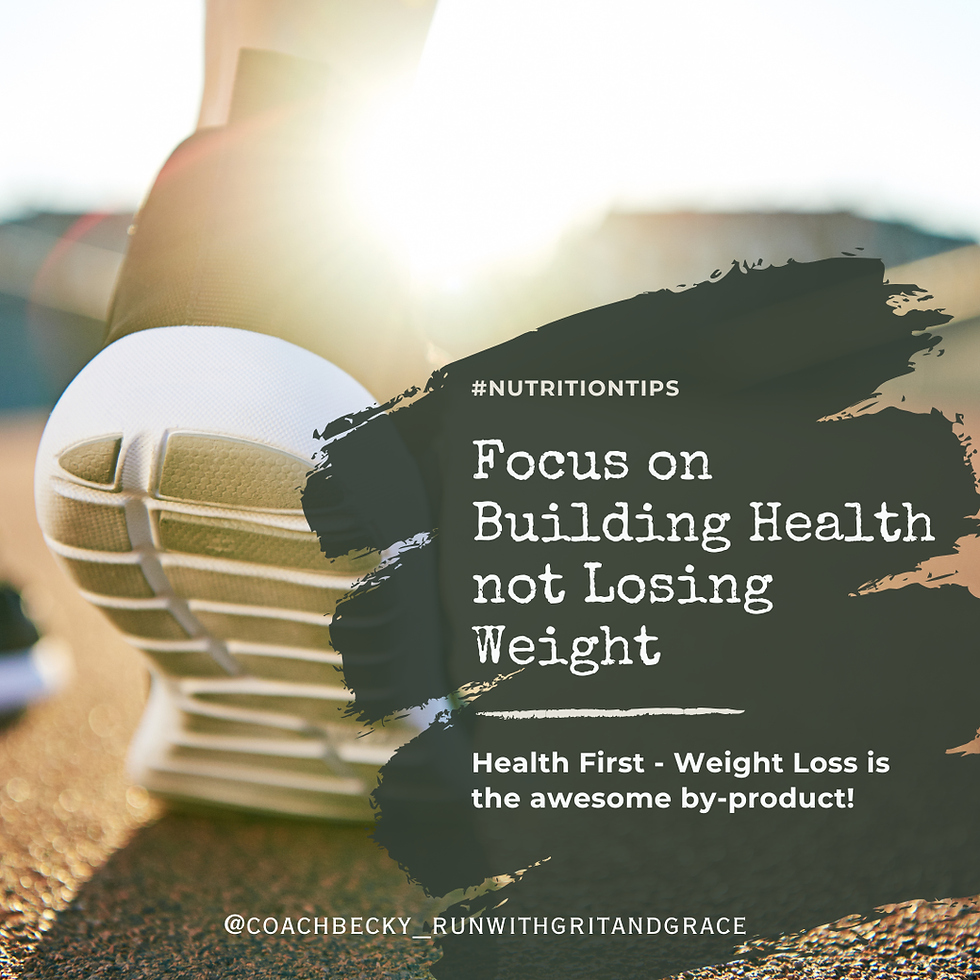
Whether your goal is to lose weight, improve your health, train for your first 5K, relieve stress, or simply prove to yourself that you can do hard things, keep your reason front and center. It will carry you through the days when motivation is low.
Final Thoughts
The best runner isn't the fastest runner. It's the one who keeps coming back.
Every mile you complete, every walk break you take, and every finish line you cross…no matter how small…is progress. Lace up your shoes, be patient with yourself, and trust the process. You don't have to be great to start, but you do have to start if you want to become great.
Happy running!


Comments